Modern businesses use more tools than ever before. Teams manage customer requests, IT tasks, employee support, operations, assets, and service processes across different systems. While each tool may solve one problem, disconnected systems often create bigger challenges.
Information gets lost. Tasks take longer. Teams repeat work. Managers struggle to see what is happening across the business.
That is why connected workflows are becoming essential.
What are connected workflows?
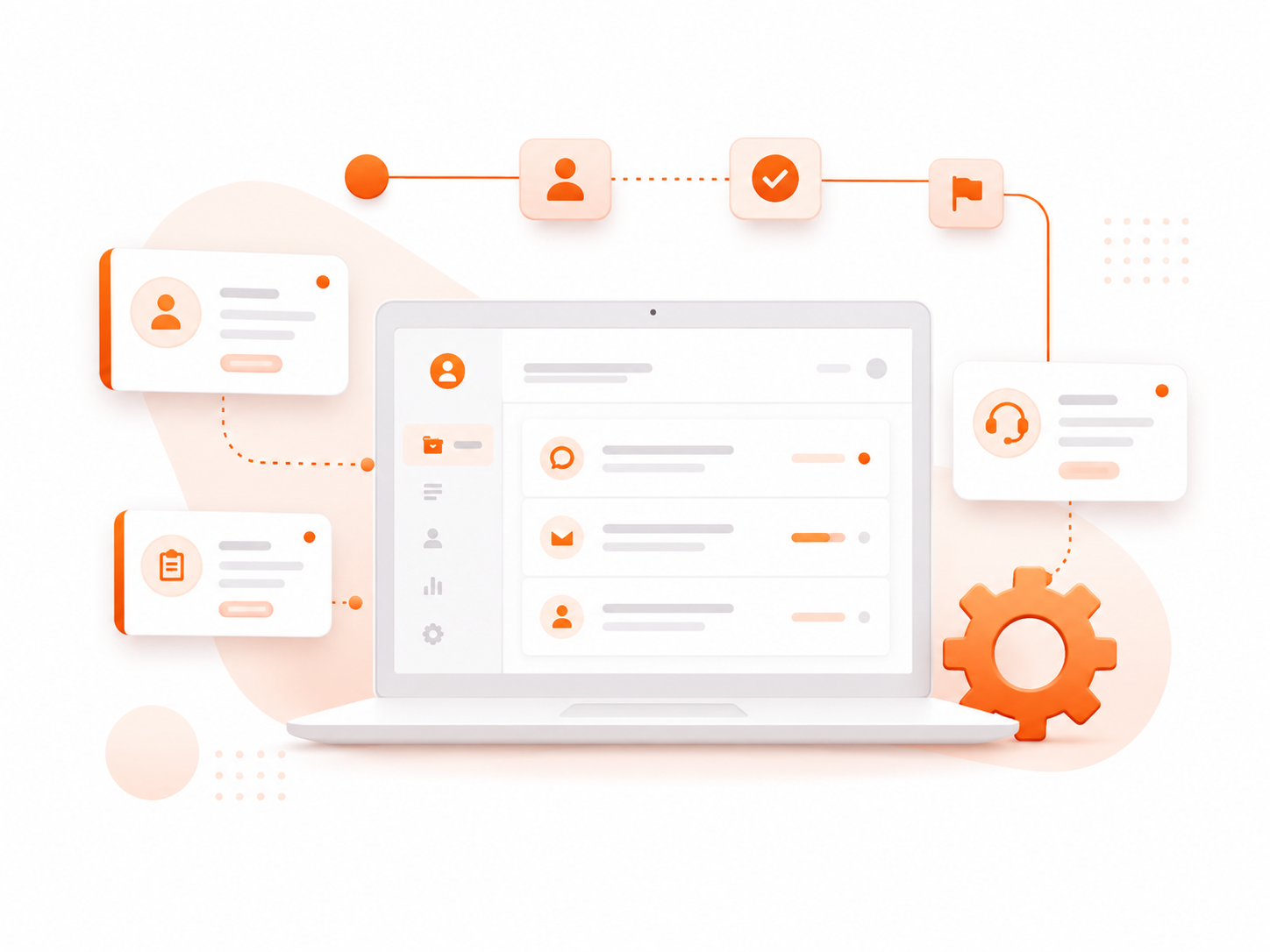
Connected workflows are structured processes that bring people, data, and tasks together in one place. Instead of relying on emails, spreadsheets, and manual updates, teams can follow clear steps from request to resolution.
For example, when a customer request comes in, a connected workflow can assign it to the right team, track progress, send updates, and record the outcome automatically.
This creates better visibility and helps teams work faster.
The problem with disconnected tools
When every department uses separate systems, it becomes difficult to manage work smoothly. A simple request may need information from customer service, IT, operations, finance, or HR.
Without connected workflows, teams may spend too much time searching for updates, asking for approvals, or repeating the same tasks manually.
This slows down service delivery and makes it harder to scale.
How automation improves daily work
Automation helps remove repetitive tasks from daily operations. It can route requests, update records, send notifications, trigger approvals, and help teams follow the right process every time.
This does not replace people. It gives teams more time to focus on important work.
With automation, businesses can reduce errors, improve response times, and create a more consistent experience for customers and employees.
Why visibility is important
Good decisions need clear information. When workflows are connected, business leaders can see what is happening across teams and departments.
They can track requests, identify delays, monitor performance, and understand where improvements are needed.
This visibility helps businesses stay organized and respond faster when problems appear.
SouthCRM helps bring work together
SouthCRM helps businesses manage workflows, automate tasks, and connect teams from one platform. It supports areas such as customer service, IT service management, HR service delivery, field service, IT operations, and asset management.
By bringing processes together, SouthCRM helps businesses improve efficiency, reduce manual work, and create smoother experiences across the organization.
Final thoughts
Connected workflows are not just a technology upgrade. They are a better way to manage work.
Businesses that connect their people, data, and processes can move faster, reduce complexity, and deliver better service.
Ready to simplify your business operations?
Get started with SouthCRM today.